අභිජනනයෙන් ඔබ්බට: පෝලන්ත අර්තාපල් නිෂ්පාදනයේ සම්පත් ඉතිරි කිරීමේ තාක්ෂණයන් සහ ජීව විද්යාත්මක යෙදවුම්
යතුරු රැගෙන යාම
- 20 t/ha extra yield from the no-plough method in trials
- 100+ t/ha reached on the best no-plough plots in Lublin
- 77.12 ha VRA trial cut fertiliser use versus flat rates
- 3.8 tonnes of potassium salt saved by VRA mapping there
එය වැදගත් වන්නේ ඇයි
- ගොවීන් සඳහා
- Consider the Lublin no-plough deep-loosening method or VRA fertiliser mapping to test similar yield and input savings on your own farm.
- සැපයුම්කරුවන් සඳහා
- Fertiliser and precision-ag suppliers (VRA hardware, SatAgro maps) may see rising demand as more Polish farms test these methods.
තත්පර 60ක සාරාංශය
Polish potato farming is testing resource-saving methods alongside new varieties. Farmer Marcin Gryn, in the Lublin Voivodeship, developed a ploughless deep-loosening method that places fertilisers such as potassium at depth without turning soil to the surface; he reports a 20 t/ha yield gain over conventional ploughing, with some plots topping 100 t/ha. Separately, a variable-rate application (VRA) trial on 77.12 ha, guided by soil scanning and fertility maps, saved almost 3 tonnes of ammophos and 3.8 tonnes of potassium salt compared with uniform application; SatAgro maps and GPS guidance steer machinery to centimetre-level accuracy. Surveys of Polish potato growers also point to rising interest in biopreparations and biostimulants, with farmers reporting better plant condition, higher yields and more tolerance to drought and waterlogging, though no named survey or figures back this part. The no-plough and VRA figures come from one farmer and one trial, not an industry-wide study.
අභිජනනයෙන් ඔබ්බට: පෝලන්ත අර්තාපල් නිෂ්පාදනයේ සම්පත් ඉතිරි කිරීමේ තාක්ෂණයන් සහ ජීව විද්යාත්මක යෙදවුම්
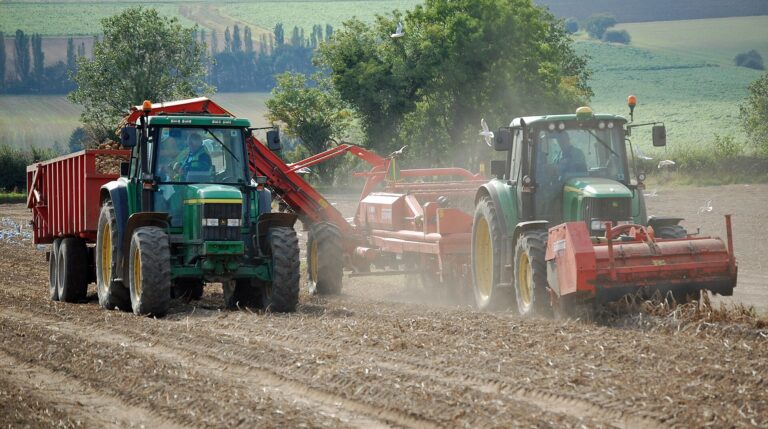
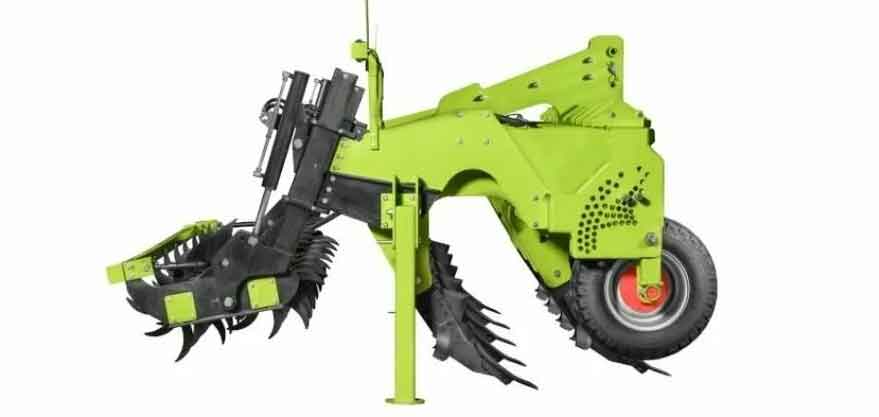
අභිජනන දියුණුවට අමතරව, පෝලන්ත අර්තාපල් වගාව සම්පත් ඉතිරි කිරීම සහ බෝග ඔරොත්තු දීමේ හැකියාව වැඩි දියුණු කිරීම අරමුණු කරගත් තාක්ෂණයන් වැඩි වැඩියෙන් වැළඳ ගනිමින් සිටී. කැපී පෙනෙන උදාහරණයක් වන්නේ ලුබ්ලින් වොයිවොඩ්ෂිප් හි ගොවි මාර්සින් ග්රින් විසින් සංවර්ධනය කර භාවිතා කරන ලද නගුලක් නොමැති, නැතහොත් "නගුලක් නොමැති" වගා ප්රවේශයයි, ඔහු පස මතුපිටට හරවා නොගෙන පොටෑසියම් වැනි පොහොර ගැඹුරට තබන විශේෂ ගැඹුරු ලිහිල් කරන්නෙකු නිර්මාණය කළේය; සාම්ප්රදායික සීසෑම හා සසඳන විට, අස්වැන්න වෙනස හෙක්ටයාරයකට ටොන් 20 ක් වූ අතර, තනි බිම් කොටස් හෙක්ටයාරයකට ටොන් 100 ඉක්මවයි. නිරවද්ය කෘෂිකර්මාන්තය ද ප්රගතියක් ලබා ගනිමින් සිටී, විශේෂයෙන් පස පරිලෝකනය සහ සාරවත් බව සිතියම් මත පදනම් වූ විචල්ය අනුපාත යෙදුම (VRA) - හෙක්ටයාර 77.12 ක් ආවරණය කරන ලද එක් අධ්යයනයක දී, මෙම ප්රවේශය ඒකාකාර යෙදුමට සාපේක්ෂව ඇමෝෆොස් ටොන් 3 ක් සහ පොටෑසියම් ලුණු ටොන් 3.8 ක් පමණ ඉතිරි කර ඇත - මෙන්ම සෙන්ටිමීටර මට්ටමේ නිරවද්යතාවයකින් යන්ත්රෝපකරණ මෙහෙයවන සැටඇග්රෝ සිතියම් සහ ජීපීඑස් මාර්ගෝපදේශය.
තවත් ප්රවණතාවක් වන්නේ ජෛව සූදානම සහ ජෛව පොහොර භාවිතය වැඩි වීමයි. පෝලන්ත අර්තාපල් වගාකරුවන්ගේ සමීක්ෂණවලින් පෙනී යන්නේ ක්ෂුද්රජීව විද්යාත්මක නිෂ්පාදන සහ ජෛව උත්තේජක කෙරෙහි වැඩි උනන්දුවක් ඇති බවත්, ගොවීන් වැඩිදියුණු කළ ශාක තත්ත්වය, ඉහළ අස්වැන්නක් සහ නියඟය සහ ජලයෙන් යටවීම වැනි ආතතීන්ට වැඩි ඉවසීමක් වාර්තා කරන බවත්ය - වෙනස්වන දේශගුණයක් යටතේ බෙහෙවින් වැදගත් වන ප්රතිලාභ. එකට ගත් කල, මෙම වර්ධනයන් පෙන්නුම් කරන්නේ පෝලන්ත අර්තාපල් නිෂ්පාදනය එකවර පෙරමුණු දෙකකින් ඉදිරියට යන බවයි: වඩා හොඳ ප්රභේද සහ වඩා දක්ෂ, පසෙහි තිරසාර කළමනාකරණය, යෙදවුම් සහ ජීව විද්යාත්මක විභවය.
ගෝලීය අර්තාපල් කෙටි විස්තරය
ඉහළම කතා පහ, මිල ගණන්, රෝග අනතුරු ඇඟවීම් සහ සිදුවීම්. සතියේ දිනවල උදෑසන, වෙළඳ දැන්වීම් නැත.
ඊළඟට කුමක් කළ යුතුද?
No figures were given for the biopreparations trend itself; watch for wider Polish adoption data on no-plough loosening or VRA mapping.
ආරංචි මාර්ග
- Farmer Marcin Gryn, Lublin Voivodeship (own practice, no-plough method); unnamed surveys of Polish potato growers on biopreparations.
මෙම ද්රව්යයට සම්බන්ධ කර ඇත
- රට
- පෝලන්තය
අදාළ කථා
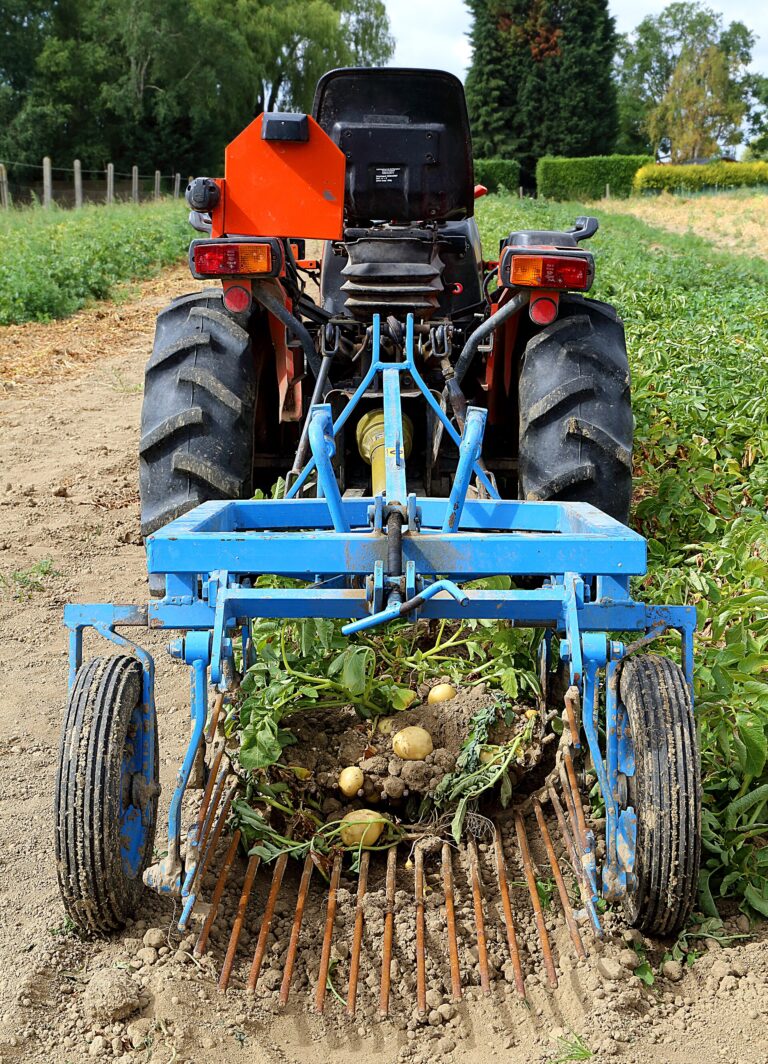
අර්තාපල් අස්වනු නෙලන යන්ත්රයක වෙන් කිරීමේ සැකසුම්: වෙබ් අඩවි සහ කැළඹීම් බෝගය ආරක්ෂා කරන ආකාරය

විවිධත්වය තෝරා ගැනීම නයිට්රජන් උපාය මාර්ගයකි: සමහර අර්තාපල් වගාකරුවන්ට පොහොර ඉතා අඩුවෙන් අවශ්ය වන්නේ ඇයි?