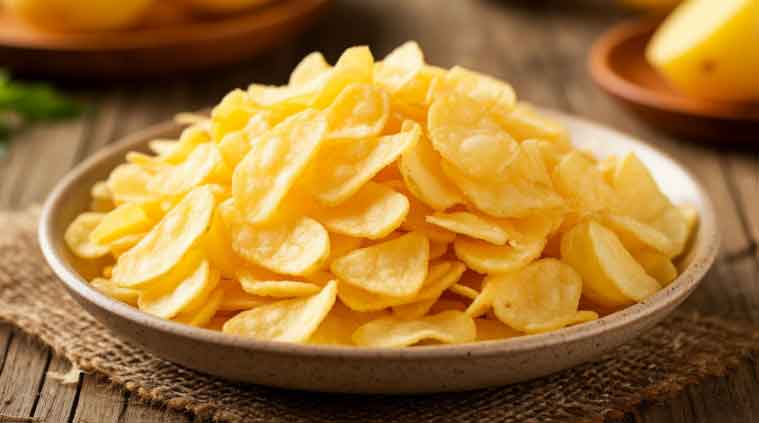
As the potato processing industry gears up for INTERPOM 2026, scheduled for November in Kortrijk, Belgium, the European flagship exhibition is set to spotlight a defining global trend: CO₂-neutral production of potato flakes. With energy costs and environmental regulations tightening across the continent, manufacturers are increasingly turning to advanced thermal solutions, particularly heat pump systems and steam recovery technologies, to drastically reduce the carbon footprint of the energy-intensive drying process. These innovations not only lower greenhouse gas emissions but also enhance operational efficiency by repurposing waste heat that was previously lost, setting a new benchmark for sustainable dehydration methods in the flake and mash sectors.
Beyond energy transformation, the upcoming INTERPOM event will address the evolving regulatory landscape, with new EU standards imposing stricter limits on acrylamide content in finished potato products, mandating levels below 500 µg/kg. This regulatory pressure is driving investments in process optimization, from raw material selection to precise drying temperature control, ensuring both safety and quality compliance. European producers are leading the charge in integrating these dual priorities—sustainability and safety—into their production lines, making energy-efficient drying not just an environmental choice but a competitive necessity. As the industry converges in Kortrijk, INTERPOM 2026 promises to be a pivotal platform for showcasing how cutting-edge heat pump technology, combined with rigorous acrylamide management, is reshaping the future of potato flake manufacturing across global markets.